Armenia: A Journey Through the World's Oldest Christian Nation
Published
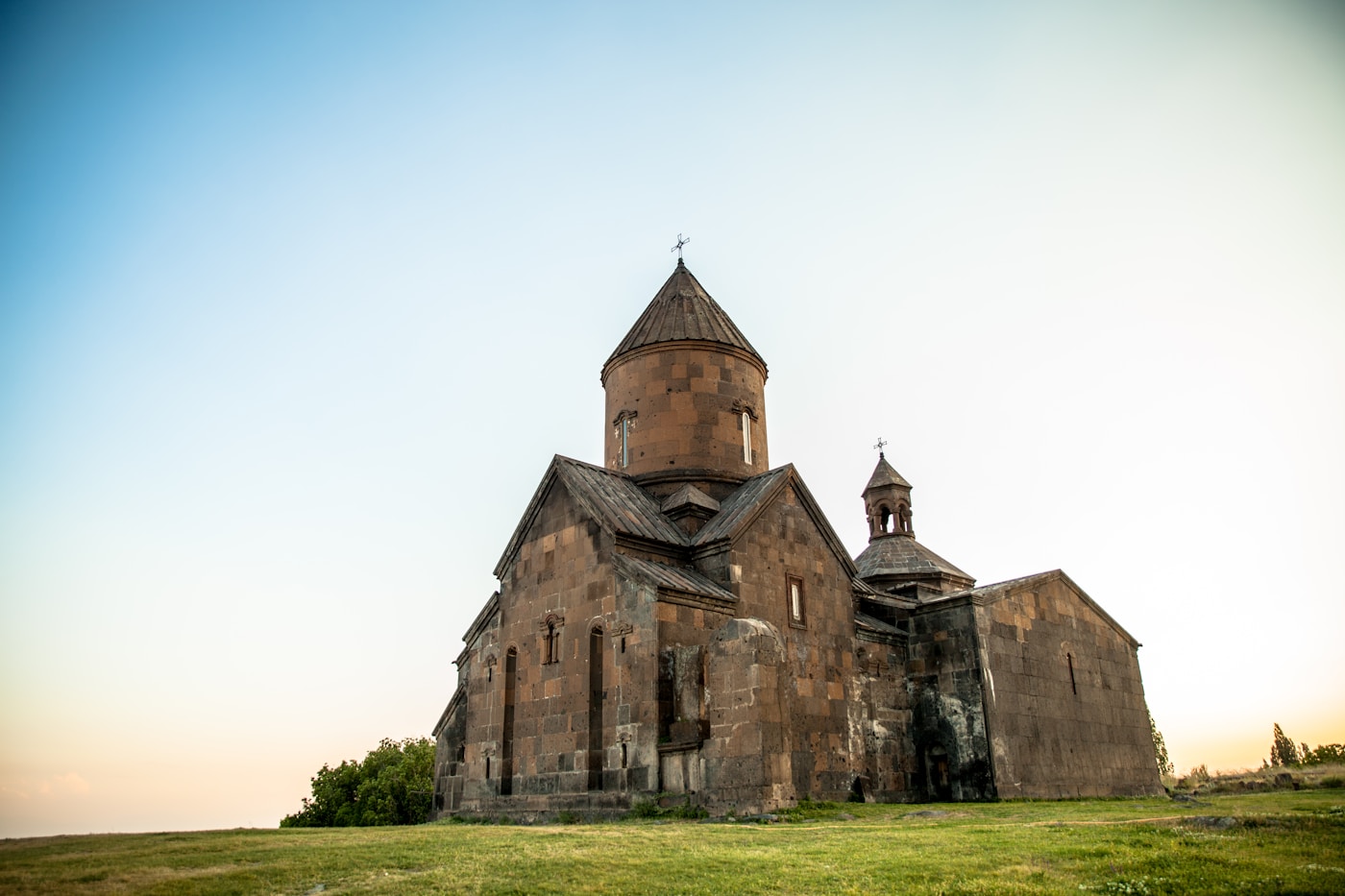
In 301 AD, Armenia became the first country to adopt Christianity as its state religion. Today, ancient stone khachkars, monasteries perched above volcanic gorges, and the solemn silhouette of Mount Ararat tell a story of faith, survival, and extraordinary beauty.
Armenia is one of history's most extraordinary survivors. A country the size of Belgium, landlocked between Turkey, Georgia, Azerbaijan, and Iran, Armenia has endured centuries of invasion, partition, and genocide — yet its culture, language, and faith have remained unbroken. Coming to Armenia is coming to a place that has looked into the abyss and chosen, again and again, to endure.
The first thing most travellers notice is the stone. Armenia is built from tuff, a porous volcanic rock that glows pink and golden in morning light and turns honey-brown at dusk. Churches, bridges, and entire medieval cities have been carved from it. The Armenian Apostolic Church, established in 301 AD when King Tiridates III made Armenia the world's first Christian state, is the heart around which the country's identity was built — and its monasteries remain among the most atmospherically beautiful in the world.
Geghard Monastery, carved partly into a sheer cliff face in a narrow gorge east of Yerevan, is perhaps Armenia's most dramatic sacred site. According to tradition, it once housed the spear that pierced Christ's side at the Crucifixion. Even stripped of legend, the monastery's acoustics — medieval choirs recorded there can move listeners to tears — and its otherworldly setting make it unforgettable.
The monastery complex of Noravank, set in a dramatic red-limestone gorge in southern Armenia, is another high point. The 13th-century church clings to the canyon walls, with carved reliefs of the Virgin Mary, Christ, and dozens of saints decorating its facade. The slim external staircases leading to its upper chambers have no handrail — a detail that concentrates the mind wonderfully.
Yerevan, the capital, is one of the oldest continuously inhabited cities in the world with a documented founding date — 782 BC, making it older than Rome. The modern city is rosy-pink tuff, broad Soviet-era boulevards, and the extraordinary cascade of terraced gardens that descend through the city center to a complex of public art and contemporary museums. In the evening, locals gather on Republic Square, where musical fountains perform a synchronized water-and-light show.
Above the city's skyline looms the imposing cone of Mount Ararat, the biblical mountain where Noah's Ark is said to have rested, now part of Turkey. Its presence, visible but untouchable just across the border, is a profound and melancholy symbol for Armenians everywhere — a reminder of lands lost and a horizon that defines the national imagination.
Lake Sevan, at nearly 2,000 meters above sea level, is one of the world's highest freshwater lakes. The 9th-century Sevanavank monastery watches over water that shifts from blue to silver to deep green. Trout from Sevan — ishkhan, the king fish — grilled fresh on the shore is one of the great simple pleasures of the Caucasus.
Armenia's cuisine is a revelation: fresh herbs piled high, lamb slow-cooked with dried apricots, lavash flatbread baked against the walls of a tonir underground oven, and cognac — Armenian brandy aged in Caucasian oak — that has been made here since 1887 and once impressed Winston Churchill so deeply that he ordered his wartime supply from Yerevan.
To visit Armenia is to step into a different register of time. The wounds are real. But so is the warmth, the wit, and the pride of a people who have refused to disappear.
More travel stories