The Golden Fleece and the Gods of Caucasus: Georgia's Ancient Legends
Published
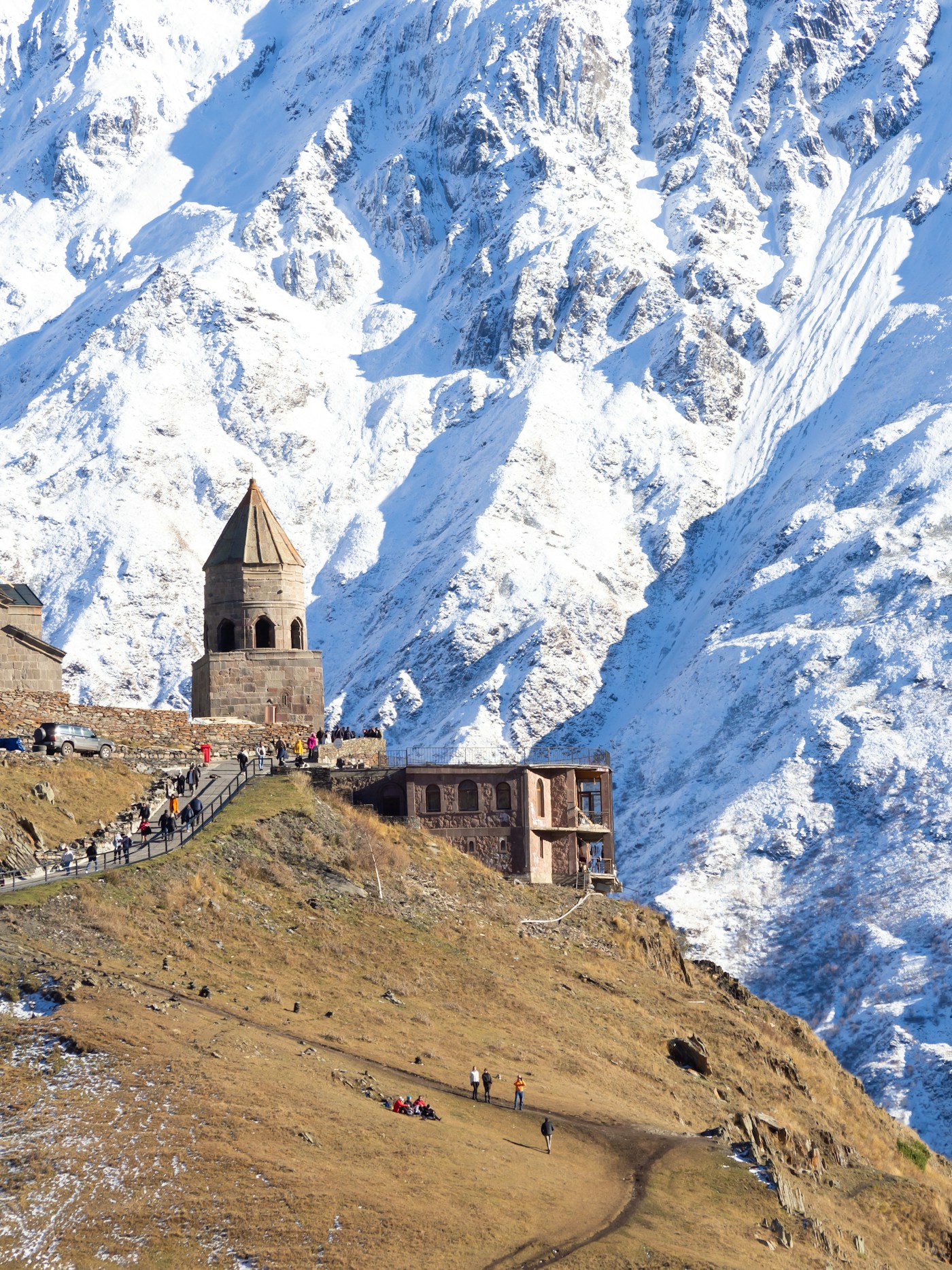
Before Georgia was a Christian nation, it was Colchis — the mythical land at the edge of the known world where Jason and the Argonauts sailed to claim the Golden Fleece. Millennia later, those same mountains still speak in myths.
Long before the first Christian cross was raised in Georgia, these mountains were the edge of the known world. The ancient Greeks called this land Colchis — a place of barbarians, magic, and unimaginable treasure — and they sent their greatest hero to steal from it.
The myth of Jason and the Argonauts, one of the oldest adventure stories in Western literature, is set here. The Golden Fleece that Jason sought — the glittering pelt of a divine ram hung in a sacred grove and guarded by a sleepless dragon — was the treasure of Colchis. Modern scholars believe the legend has roots in a real practice: in the ancient Colchian highlands, prospectors used sheepskins to trap gold dust from river currents. The Rioni River, known in antiquity as the Phasis, still flows through western Georgia where these expeditions searched.
Medea, the enchantress who helped Jason defeat her father King Aeëtes and flee with the fleece, is one of mythology's most complex and devastating figures — a Georgian woman whose tragedy has been told for three thousand years. The city of Kutaisi, now western Georgia's second largest, is traditionally identified as the capital of Colchis, and Medea's image appears throughout the city today: on monuments, in galleries, woven into the fabric of the place.
But the Greeks were not the only mythmakers who set their greatest stories in the Caucasus. The Titan Prometheus — punished by Zeus for stealing fire from the gods and giving it to humanity — was chained to a peak in the Caucasus range. Ancient sources differ on exactly which mountain; Georgians have always believed it was one of their own. The rugged, cloud-swept peaks of Kazbegi in the northern highlands have long been the most favoured candidate. Standing beneath them, it is not hard to understand why.
Georgian mythology of its own has an equally rich cast. Amiran — the Georgian Prometheus, a hero who stole fire and fought giants — is chained in a cave somewhere in the high Caucasus, waiting to be freed. His dog licks at the chains each day, wearing them thinner, but a blacksmith's hammer blow reforges them every new year. The stories say that when Amiran finally breaks free, the world will end.
Saint George — Georgia's patron saint — has been venerated here since the 4th century. His image slaying the dragon adorns the Georgian coat of arms, and the cross of St. George forms the centrepiece of the Georgian flag. Churches dedicated to him perch on nearly every hilltop in the country.
The Gergeti Trinity Church in Kazbegi — built in the 14th century at 2,170 meters above sea level — is the most iconic sacred site in Georgian legend. Locals say it was built so high that invaders could never reach it. That it has survived centuries of Mongol raids, Persian invasions, and Soviet atheism suggests the legend has a point.
To walk in Georgia is to walk through a landscape still dense with story. Every mountain has a name that comes from a hero. Every river has a spirit. Every monastery was built by someone who saw a vision. The myths are not relics here — they are part of the air.
More travel stories