First Time in Georgia? 12 Things to Know Before You Arrive
Published
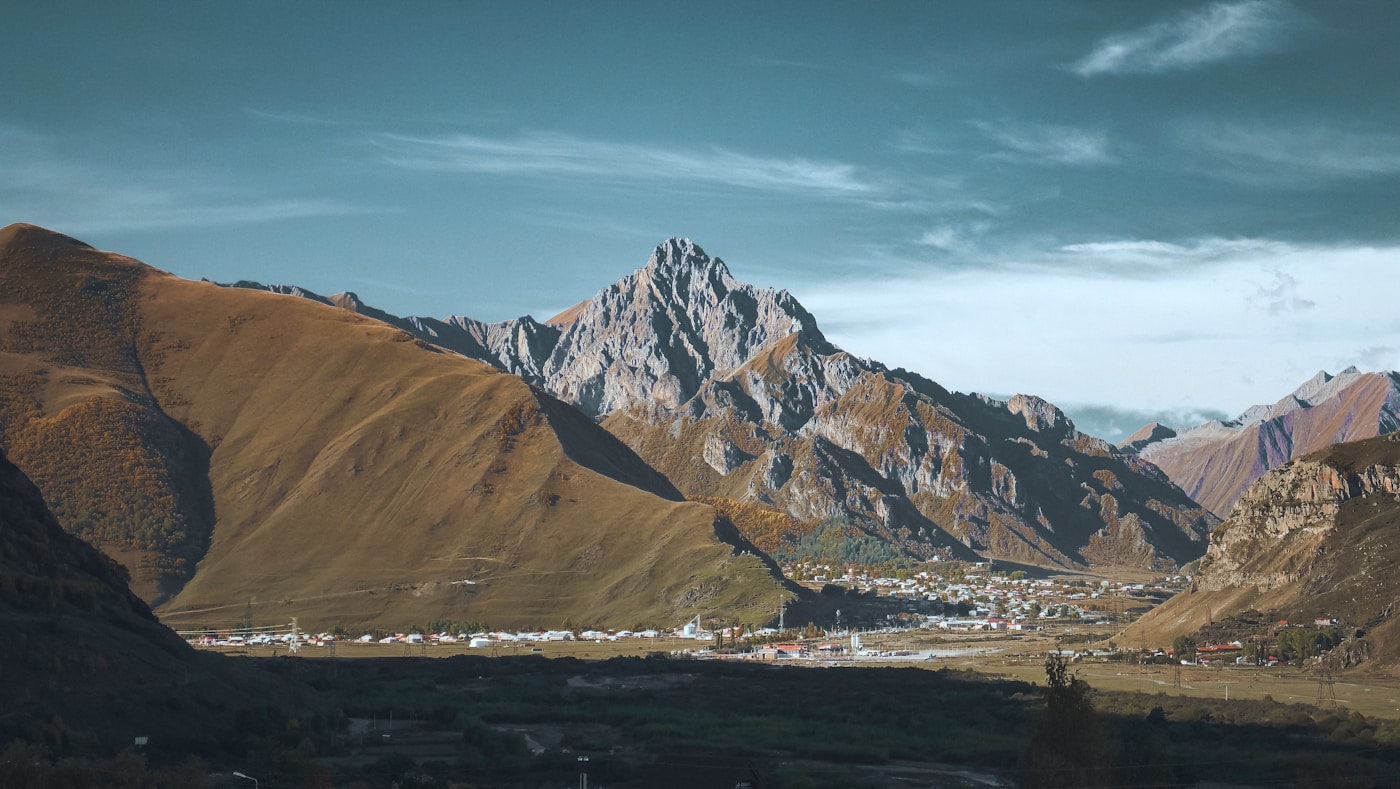
Georgia rewards the prepared traveller. From Georgian script on every road sign to wine that predates Rome, here is what to expect — and what no guidebook tells you.
Georgia is a remarkably easy country to visit — and a surprisingly easy one to misread. Here are twelve things that will make your trip smoother, richer, and less surprising in the wrong ways.
The currency is the Georgian lari (GEL). Cards are widely accepted in Tbilisi and larger towns, but always carry cash for villages, mountain huts, and roadside stands. ATMs are common in cities; exchange offices (marked გადაცვლა) offer reasonable rates.
The script on every road sign, menu, and door is Georgian. Georgian (ქართული) is written in its own unique alphabet — one of only fourteen in the world — and uses none of the Latin or Cyrillic letters you might recognise from other travels. Download the alphabet before you go; it takes a few hours to learn to read slowly, and doing so transforms the country from an illegible mystery into something navigable. Google Maps works excellently here.
Marshrutkas are your best friend. These shared minibuses run between almost every city, town, and village in Georgia, and they are extremely cheap. They leave when full, not on a schedule. For day trips from Tbilisi — to Mtskheta (20 minutes), Gori (90 minutes), or Stepantsminda/Kazbegi (3 hours) — marshrutkas are efficient and social.
Book accommodation in Kazbegi and Svaneti well in advance in summer (June–August). Both are enormously popular with local weekenders and international tourists alike. Rooms fill fast and prices double.
The best time to visit Georgia is May–June and September–October. Summer (July–August) is hot in the lowlands and crowded in the mountains. Winter is beautiful in Tbilisi and spectacular in the ski resort of Gudauri, but mountain roads to Kazbegi and Svaneti can close with snow.
Georgian roads in the mountains require patience. The roads are real, paved, and generally safe, but steep, narrow, and frequently shared with overloaded trucks. The Georgian Military Highway through the Dariali Gorge to Kazbegi is dramatic and unforgettable. The road to Ushguli in Upper Svaneti is unpaved for much of its length and requires a 4WD. Hire local drivers for mountain routes; they know these roads far better than any GPS.
Try everything at least once. Churchkhela (grape-and-walnut sausages dried on a string), Chacha (Georgian grappa, much stronger than it tastes), Jonjoli (pickled bladdernut flowers), Chvishtari (cornbread with cheese). Say yes to whatever is offered.
Tbilisi's nightlife is a serious matter. The city's electronic music scene has made it one of Europe's best clubbing destinations, centred on the legendary club Bassiani. The scene tends to start after midnight and finish at noon the next day. Dress in black.
The tap water in Tbilisi is safe to drink — it comes from the mountains and is among the cleanest urban water in the region. Outside the capital, bottled water is cheap and widely available.
Learn three words of Georgian: gamarjoba (hello), madloba (thank you), gaumarjos (cheers). No three words will get you further, faster, with more warmth. Georgians are accustomed to visitors being unable to speak Georgian and will switch to Russian or English without complaint — but a genuine attempt at their language produces a visible and immediate change in the warmth of the room.
Tipping is appreciated but not mandatory. In restaurants, 10% is generous. Round up in taxis.
Finally: slow down. Georgia is a country where the best things happen when you stop trying to schedule them — a table that appears, a conversation that extends for hours, a view that catches you off guard. Give yourself more time than you think you need. Every traveller who has been to Georgia has the same regret: not staying longer.
More travel stories