Georgia: Where Ancient Mountains Meet Modern Spirit
Published
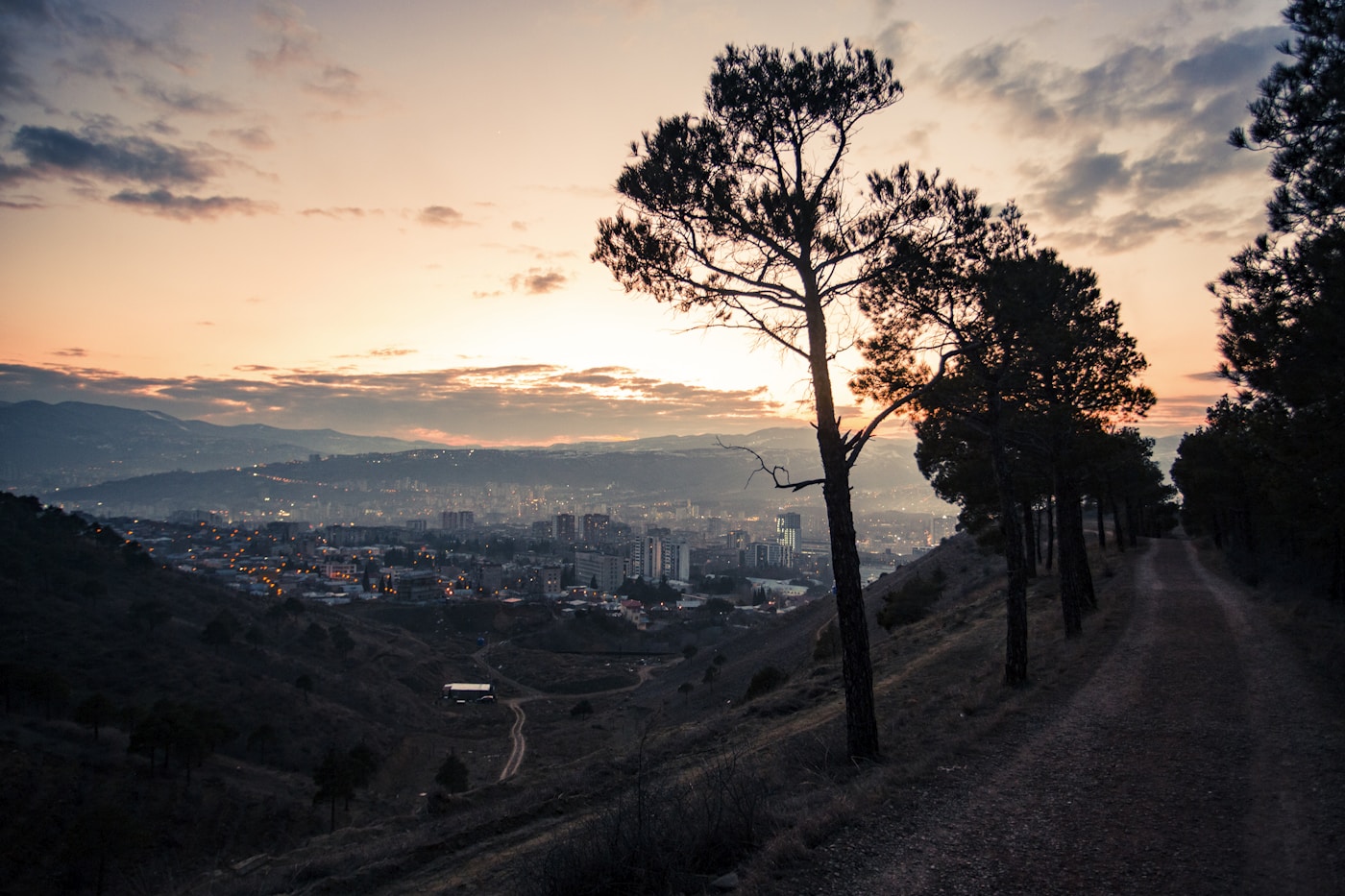
Nestled between the Caucasus Mountains and the Black Sea, Georgia is a land of breathtaking contrasts — medieval monasteries carved into cliffsides, a capital city that pulses with jazz and wine, and a tradition of hospitality so deep it borders on the sacred.
Tbilisi, Georgia's capital, is one of the most captivating cities in all of Europe and Asia. Its Old Town, or Abanotubani, is a labyrinth of carved wooden balconies overhanging cobblestone streets — a living museum of Persian, Russian, and indigenous Caucasian architecture layered over two thousand years of history.
Founded in the 5th century by King Vakhtang Gorgasali after, legend has it, he discovered hot sulfur springs while hunting a pheasant, Tbilisi takes its name from the Georgian word for "warm" (tbili). Those same sulfur springs still bubble today in the historic bathhouse district, where you can soak in naturally heated mineral waters beneath domed rooftops — a centuries-old ritual that both locals and travellers cherish.
The country of Georgia occupies a remarkably compact space — roughly the size of Ireland — yet its geography spans extremes. To the north rise the peaks of the Greater Caucasus, including Mount Shkhara (5,203 m), the country's highest point. To the west, subtropical Adjara borders the Black Sea with palm-lined beaches and humid forests. In the central lowlands, the fertile Kartli plain produces some of the world's oldest wine — a tradition stretching back 8,000 years documented through ancient clay vessels called qvevri.
Kazbegi, in the northern highlands, is perhaps Georgia's most dramatic landscape. Here, the medieval Gergeti Trinity Church clings to a rocky spur at 2,170 meters, with the snow-capped cone of Mount Kazbek (5,047 m) rising behind it. The drive up on a winding mountain road — or the hike for those with strong legs — rewards with views that look like something between a myth and a postcard.
To the east, the wine region of Kakheti produces the amber-hued Rkatsiteli and the deep, tannic Saperavi — varietals you won't find anywhere else. Winemakers here still use the ancient qvevri method: grapes, skins, stems, and all ferment together in buried clay pots, creating wines of extraordinary complexity. The hilltop town of Sighnaghi, with panoramic views to the Caucasus Mountains and the Alazani plain below, has become the unofficial "city of love" and one of Georgia's most charming destinations.
But what truly sets Georgia apart is its people. The concept of hospitality in Georgian culture — known as "maspindzloba" — is not merely courtesy; it is a fundamental moral obligation. Strangers who arrive at a Georgian home are treated as gifts from God. Tables are laden with food without warning, toasts are made in long, poetic sequences guided by a tamada (toastmaster), and guests are pressed to eat more, always more. The feast, or supra, is the heartbeat of Georgian social life — and joining one is one of travel's most unforgettable experiences.
Georgia's ancient cave city of Uplistsikhe and the medieval monasteries of Gelati and Mtskheta speak to the country's extraordinary spiritual heritage. The Svetitskhoveli Cathedral in Mtskheta, the ancient capital, is believed by Georgians to be built over the cloak of Christ himself — making it one of the most sacred sites in the Orthodox Christian world.
Whether you come for the mountains, the wine, the food, or simply to meet the people, Georgia rewards with more than most travellers expect. It is one of the world's last great secrets — and once found, never forgotten.
More travel stories